







Search Results for: Starbucks Kenya AA

Why Does Starbucks Favor Kenyan Coffee? A Full Analysis from the Elephant Totem to AA Grading and Flavor
Among Starbucks' 13 coffee beans, the Kenya coffee beans in orange packaging stand out—the African elephant slowly walking on the packaging perfectly echoes the rich, wild flavor personality of this bean. Why can Kenya grow such full-bodied, solid acidity? How do high altitude, volcanic soil, the SL28 and SL34 varieties, and double washed processing work together to create the bright, cherry-tomato-like acidity and caramel sweetness? What does Kenya AA grading mean? This article will comprehensively break down the charm of Kenyan coffee, from origin terroir, variety characteristics, and grading system to specific brewing parameters, and include Front Street Coffee's brewing suggestions and flavor notes. [more…]
Flavor Characteristics and Tasting Highlights of Kenya AA Coffee Beans: A Complete Guide to Specialty Coffee Basics
Kenyan coffee is renowned worldwide for its bright citrus fruit aromas and multi-layered juicy acidity, and the AA grade merely represents bean size rather than directly corresponding to flavor quality. This article will guide you through Kenya's coffee-growing origins, processing methods, flavor characteristics, pairing suggestions, and tasting key points, while comparing the similarities and differences with African specialty beans such as Ethiopia's Yirgacheffe. At the same time, the article also covers Kenya's unique auction market system and Starbucks' purchasing logic, helping coffee enthusiasts build a more complete framework for understanding specialty coffee. Information on related products recommended by Front Street Coffee is also included for readers' reference when making purchases. [more…]

The Historical Origins of Starbucks Kenya Coffee and a Detailed Guide to Brewing Kenya AA Coffee Beans
For those new to Kenyan coffee, the distinctive acidity reminiscent of cherry tomatoes and prunes is often unforgettable from the very first sip. Starbucks once launched a classic Kenya coffee whose elephant logo on the packaging has long become iconic. From the perspective of Front Street Coffee, this article systematically reviews the growing conditions, variety characteristics, K72 washed processing method, and green bean grading system of Kenyan coffee, and shares in detail the roasting parameters and brewing suggestions for two Kenyan coffee beans available at Front Street—Asalia AA and Sachini Estate PB—taking you through the full charm of Kenyan coffee. [more…]

The Origin of Starbucks Kenya AA Elephant Packaging: A Full Analysis of Kenyan Coffee Regions, Varieties, and the K72 Processing Method
Kenyan coffee occupies an important position in the global specialty coffee landscape. Starbucks Kenya AA coffee beans feature an elephant as the packaging design, which naturally evokes the vast scenery of the African savanna. This article, compiled by Front Street Coffee (FrontStreet Coffee), provides a comprehensive analysis of the unique charm of Kenyan coffee, from its historical origins, geographical growing conditions, six major producing regions, four main variety characteristics, green bean grading system, to the K72 washed processing method. The article also specifically shares the roasting parameters and brewing suggestions for Front Street's Kenya Cherry Tomato coffee beans, helping coffee enthusiasts gain a deeper understanding of this African specialty bean with its cherry tomato acidity. [more…]
A Comprehensive Guide to Kenyan Coffee: Starbucks Reserve Kenya Bean Prices, Flavor Characteristics, and the K72 Processing Method
Kenyan coffee has long been renowned for its strong, full-bodied acidity and distinctive cherry tomato and prune flavors, standing alongside Ethiopia's Yirgacheffe as one of Africa's two flagship coffees. Starbucks has offered Kenya coffee since 1971, and the elephant design on its packaging has become a classic emblem. This article will comprehensively analyze the reasons behind the formation of Kenyan coffee's flavor—from the growing conditions of its producing regions, varietal characteristics, and the K72 washed processing method to the coffee bean grading system—and share detailed information on the AA-grade Kenyan cherry tomato and PB-grade coffee beans introduced by FrontStreet Coffee, including roasting parameters and brewing suggestions, to help coffee enthusiasts gain a deeper understanding of this premium producing region. [more…]
Starbucks Kenya Coffee Beans Price and Flavor Analysis: A Complete Guide to Regions, Varieties, Processing Methods, and the Grading System
Kenyan coffee is renowned worldwide for its bright, intense acidity and distinctive flavor layers. Starbucks has offered Kenya coffee since 1971, and the elephant design on its packaging has long since become a classic symbol. From the perspective of Front Street Coffee, this article systematically reviews Kenya's coffee-growing conditions, main varieties (SL28, SL34, Ruiru11, Batian), the K72 washed processing method, and the green bean grading system. Combined with the roasting and brewing parameters of Front Street's Kenya Little Tomato coffee beans, it will guide you through a comprehensive understanding of the unique charm of this African specialty coffee, offering a reference for everyday purchasing. [more…]
Starbucks Kenya Coffee Beans: Symbolism and Flavor Analysis, Front Street Coffee Guides You Through the Entire Kenyan Pour-Over Process
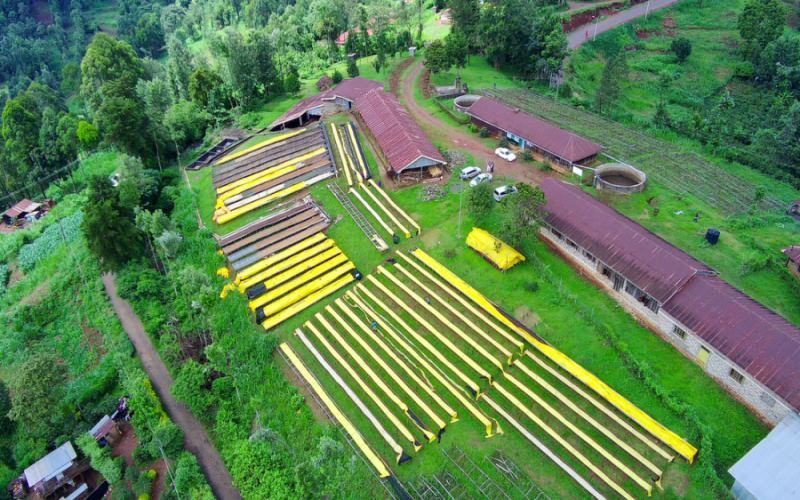
Kenyan coffee is renowned worldwide for its intense, bright acidity, and the Kenya coffee beans that Starbucks launched in 1971, with their African elephant design, have become a classic symbol. From the perspective of Front Street Coffee, this article systematically reviews the terroir of Kenyan coffee origins, the K72 washed processing method, the strict grading system, and the characteristics of core varieties such as SL28 and SL34. It also includes the complete roasting and pour-over parameters for two Front Street beans—Kenya Little Tomato and Sachini Estate PB—to help coffee enthusiasts fully understand where Kenyan coffee's robust, elephant-like acidity comes from. [more…]

Why Is Kenyan Coffee Flavor So Distinctive? A Full Breakdown of V60 Brewing Parameters, Varieties, and Processing Methods for Kenyan AA
Kenyan coffee is renowned for its bright, intense acidity, often described as having flavors of cherry tomatoes and prunes, which stands in sharp contrast to the citrus notes of Ethiopian coffee. From the perspective of Front Street Coffee, this article systematically reviews Kenya's coffee-growing regions and their cultivation conditions, the main varieties (SL28, SL34, Ruiru11, Batian), the distinctive K72 washed processing method, and the practical meaning of AA, AB, PB, and other grades in Kenya's green bean grading system. The article also shares the roasting parameters for two Kenyan beans at Front Street Coffee and provides specific water temperature, coffee-to-water ratio, grind size, and staged extraction techniques for brewing Kenyan AA in a V60 dripper, helping coffee enthusiasts gain a more comprehensive understanding of the flavor sources and brewing key points of Kenyan coffee. [more…]
Coffee Bean Brand Buying Guide: Seven Delicious and Affordable Coffee Bean Recommendations and Comparisons
Want to enjoy a great cup of coffee at home? Choosing the right coffee bean brand is key. This article rounds up seven coffee bean brands worth checking out, covering Starbucks, Front Street Coffee, Nescafé, illy, Colin, Novell, and Front Street Kenya AA beans, analyzing each one by flavor profile, roasting freshness, and value for money. Among them, Front Street Coffee offers more than fifty types of beans, covering mainstream growing regions, and insists on roasting within five days and shipping within twenty-four hours, balancing quality and price. Whether you're a beginner just getting started or a seasoned coffee lover looking for everyday beans, this list can help you find the one that suits you faster. [more…]
Kenyan Coffee Bean Flavor Code: A Detailed Guide to K72 Washed Processing, SL28/SL34 Varieties, and Acidity Differences Across Growing Regions
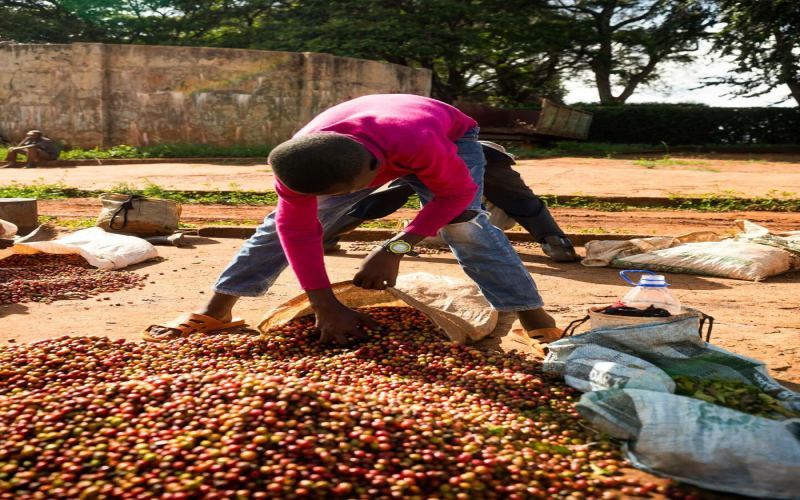
Kenyan coffee stands out in the specialty coffee world with its powerful, full-bodied acidity, forming a sharp contrast to the crisp brightness of Ethiopia. From the establishment of the cooperative union in 1931 to the K72 72-hour washed fermentation, from the selection and breeding of SL28 and SL34 to the fine grading of AA, AB, and others, Kenya has built a complete specialty coffee system. This article systematically reviews the historical development of Kenyan coffee, cultivation models, flavor differences among major producing regions, and variety characteristics, and includes roasting and brewing suggestions for Front Street Coffee's Kenyan Asaliya coffee beans, bringing you a comprehensive understanding of the unique charm of this African producing region. [more…]
Burundi, a landlocked country in Africa, specialty coffee beans: an analysis of origin terroir, Bourbon variety flavor, and pour-over extraction methods
Burundi is a small landlocked country in east-central Africa. Although it shares a similar terroir with Rwanda and is often confused with it, it nevertheless showcases specialty coffee potential with elegant sweetness and bright citrus notes thanks to its high altitude, Bourbon varieties, and traditional washed processing. This article systematically reviews the full picture of Burundian coffee beans, from the origin's history, altitude and geography, varieties and processing, and flavor characteristics to Starbucks sourcing and price changes, and includes cupping information and brewing suggestions for Buyendi AA, helping coffee lovers understand this underrated African producing region while retaining Front Street Coffee's brand recommendations and product information. [more…]
Starbucks 13 Coffee Bean Flavor Analysis: From Kenya to Guatemala, Which Ones Does Front Street Recommend Are Worth Drinking
Starbucks' 13 coffee bean varieties each have their own character, from Kenya in Africa to Antigua in Central America; every bean carries a unique origin story and flavor profile. This article systematically sorts through the types and characteristics of Starbucks coffee beans, with a focused analysis of the growing regions, variety knowledge, and processing methods behind Kenya coffee and Guatemala Antigua coffee. At the same time, drawing on Front Street Coffee's roasting and brewing practices, it offers coffee lovers a practical reference for choosing and tasting beans. [more…]
A Complete Guide to Tanzanian Coffee Regions: Flavor Analysis and Green Bean Grading Standards
Tanzania is an important coffee-producing country in East Africa, and its green bean grading system is similar to Kenya's, with screen size as the core criterion. The official top grade is AAA, while terms such as AA top and AB plus are names created by private green bean traders after secondary screening based on official specifications. Tanzania's annual production is about 50,000 tons, comparable to Kenya's. The earliest Arabica seeds came from Réunion Island, and planting on the slopes of Mount Kilimanjaro in 1893 achieved the greatest success. This article will comprehensively introduce Tanzanian coffee from the aspects of regional flavor, historical origins, producing area distribution, and the cooperative system, and use washed Kilimanjaro coffee as an example to present Front Street Coffee's roasting and brewing plan, bringing you a feel for its unique charm of balanced mildness and rich sweet aroma and red wine notes. [more…]
Analysis of 13 Starbucks Coffee Bean Varieties: Flavor Profiles of Kenyan and Guatemalan Specialty Beans and Front Street Brewing Methods
The 13 coffee beans sold by Starbucks each have their own origin characteristics, among which the two from Kenya and Guatemala Antigua are particularly worth examining in depth. Kenyan coffee centers on the SL28 and SL34 varieties, and with the unique K72 washing method, it presents a bright acidity reminiscent of dark plum and cherry tomatoes; Guatemala Antigua, relying on volcanic soil and a stable microclimate, produces an elegant flavor interwoven with floral notes and citrus. Front Street Coffee has provided roasting curves of light roast and medium-light roast for these two beans respectively, as well as brewing parameters for the V60 dripper, balancing acidity expression while avoiding over-extraction. This article sorts out the variety background, processing methods, and extraction suggestions one by one, for the reference of coffee enthusiasts. [more…]

A Complete Analysis of Starbucks' 13 Pour-Over Coffee Beans: Flavor Rankings and Origins—A Bean Selection Guide from Bright Acidity to Rich and Full-Bodied
Walking into Starbucks and ordering a pour-over, how should you choose among 13 coffee beans? Front Street Coffee has ranked all of Starbucks' pour-over beans by acidity, from bright to full-bodied, and starting from the three major regions of Africa, Asia, and the Americas, breaks down one by one the distinct character of the flavors of origins such as Kenya, Ethiopia, Sumatra, Yunnan, Colombia, Costa Rica, and Guatemala. This article not only helps you understand the Starbucks menu, but also guides you in building a framework for understanding regional flavors, so that whether you prefer fruity acidity or full-bodied bitterness, you can find the cup that suits you. [more…]

A Complete Guide to African Coffee-Producing Countries: From Ethiopia to Tanzania, a Specialty Flavor and Origin Guide
Africa, as the continent of coffee's origin, nurtures coffee beans with highly distinctive flavors thanks to its unique climate and terrain. From Ethiopia's Yirgacheffe to Kenya's AA grade, and from Yemen's Mocha to Tanzania's Kilimanjaro, each producing region displays alluring fruit acidity and regional character. This article systematically reviews the cultivation history, varieties, processing methods, and flavor characteristics of Africa's major coffee-producing countries, and includes information on various cooperatives and representative bean lots, making it suitable for coffee enthusiasts who want an in-depth understanding of the full picture of African specialty coffee. [more…]

A Complete Guide to Tanzania Kilimanjaro Coffee Region: Flavor Profile, Processing Methods, and Pour-Over Brewing Parameters
Tanzania is an important coffee-producing country in East Africa, and the coffee grown in the Kilimanjaro region is considered the country's flagship, accounting for about 75% of national output. This article provides a systematic introduction to the Kilimanjaro coffee-producing area's terroir, flavor characteristics, historical background, and cooperative system, along with a comparative analysis with Kenya AA. At the same time, Front Street Coffee uses a Kilimanjaro coffee bean as an example to share specific operational plans from the roasting curve to V60 pour-over parameters, including coffee-to-water ratio, water temperature, grind size, and staged pouring technique, helping coffee enthusiasts recreate the citrus, berry, and honey-tea flavor expression at home. [more…]
Why Are Online Coffee Beans More Affordable? An Analysis of Origin, Variety, and Grade Differences and Buying Tips
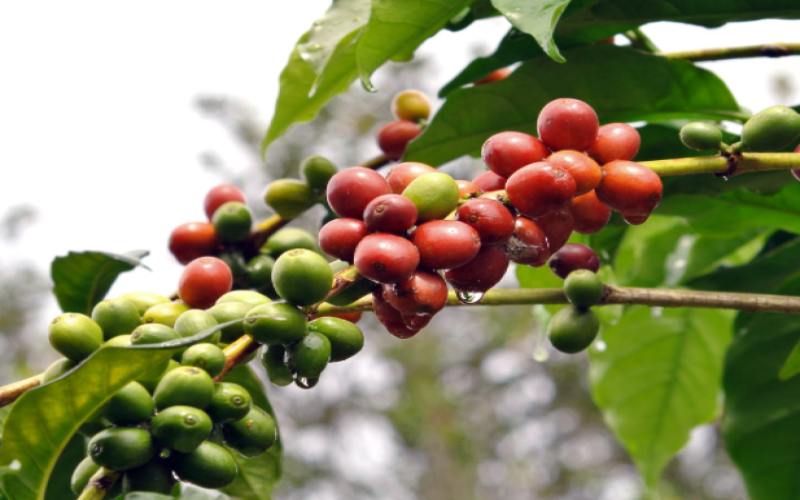
Many friends who brew coffee at home have this confusion: coffee beans on e-commerce platforms are often much cheaper than those at Starbucks stores, yet they don't seem to taste bad. The reason behind this is actually closely related to the variety, origin, grading, and roasting method of the coffee beans. Coffee from different regions has its own distinctive flavors: Asian beans tend to be bitter with herbal notes, African beans are bright and acidic with floral and fruity aromas, and American beans are known for their balance. Each country also has different grading standards for coffee beans—some look at defect rates, some at altitude, and some at bean size. So what kind of coffee beans are actually worth buying? This article will help you sort out your buying approach, from the reasons behind pricing and differences in varieties to grading systems and specific recommendations. [more…]
A Complete Analysis of African Coffee Origins: Flavor Characteristics and Growing Advantages of Ethiopia, Kenya, and Other Countries
Africa, as the continent of coffee's origin, has nurtured many outstanding bean varieties that captivate coffee lovers worldwide. Among them, Ethiopia and Kenya can be considered the two pillars of African coffee, winning broad recognition for their distinctive flavor profiles. This article systematically reviews the cultivation systems, variety compositions, processing methods, and flavor expressions of major African coffee-producing countries—including Ethiopia, Burundi, Rwanda, Kenya, Tanzania, and others—offering an in-depth analysis of the subtle differences among various specialty-producing regions. It also introduces the roasting and brewing parameters for several African beans from Front Street Coffee, providing coffee lovers with a complete guide to African coffee flavors. [more…]

A Complete Analysis of African Coffee-Producing Countries: Varieties, Flavors of Ethiopia and Kenya, and Front Street Recommendations
Africa, as the birthplace of coffee, is home to many well-known producing countries such as Ethiopia and Kenya, and is famous for its rich aroma and captivating fruity acidity. This article systematically reviews the variety distribution, cultivation models, processing methods, and flavor characteristics of African coffee, with a focus on introducing Ethiopia's nine major specialty producing regions, Kenya's six major producing regions, and the coffee characteristics of countries such as Burundi, Rwanda, and Tanzania. At the same time, it retains Front Street Coffee's detailed brewing suggestions and flavor descriptions for beans such as Yirgacheffe, Huakui, Kenyan Little Tomato, Rwandan Gaseke, and Tanzanian Kilimanjaro, providing a comprehensive reference for coffee enthusiasts. [more…]